
W
Will Fulton, Xbox Wire Editor
Guest
December 9, 2025
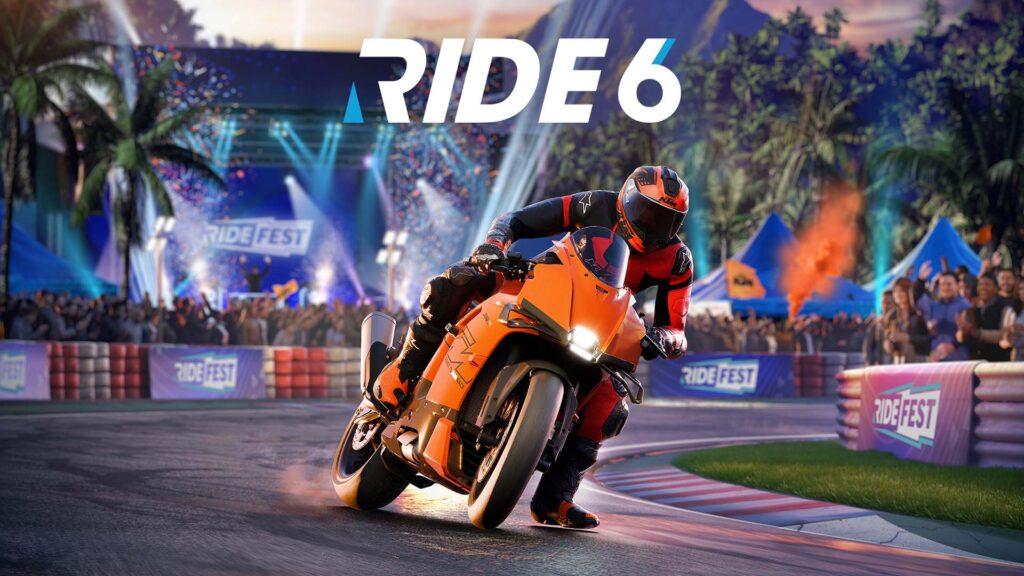
For over ten years, the Ride franchise has been a virtual meeting point for all bike lovers. The latest instalment, Ride 6, is set to be the ultimate celebration of their passion, offering a wide range of new activities and the largest bike selection ever seen. To achieve this, we have implemented a structured process that involves all departments in true teamwork, with the common goal of making bikes as realistic as possible.
Everything begins with a list: our Game Design Department is the brain behind the assembling of the roster, which consists of both returning bikes and brand-new models. Once the list is ready, the Reference and Licensing Department swings into action. They’re the ones that start contacting all manufacturers, to explain the project and finalize the agreements to greenlight their bikes’ presence in game. While this is all brewing, each bike’s characteristics – think of weight, power, cylinders – are analyzed by the Physics Department to understand what kind of tuning is needed.
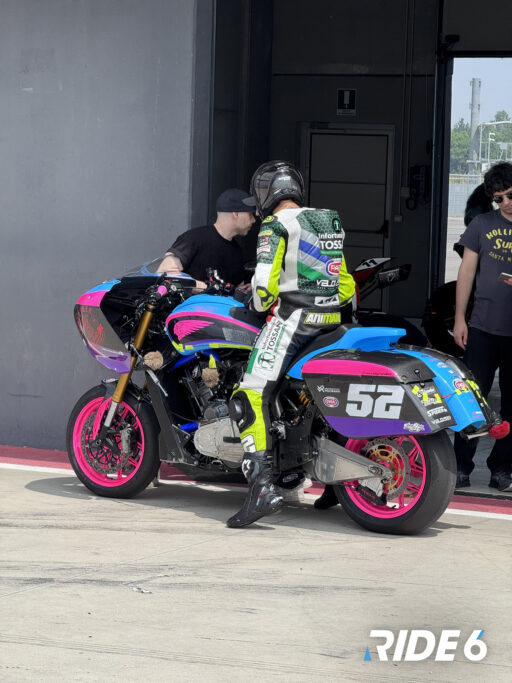
Recording bike audio
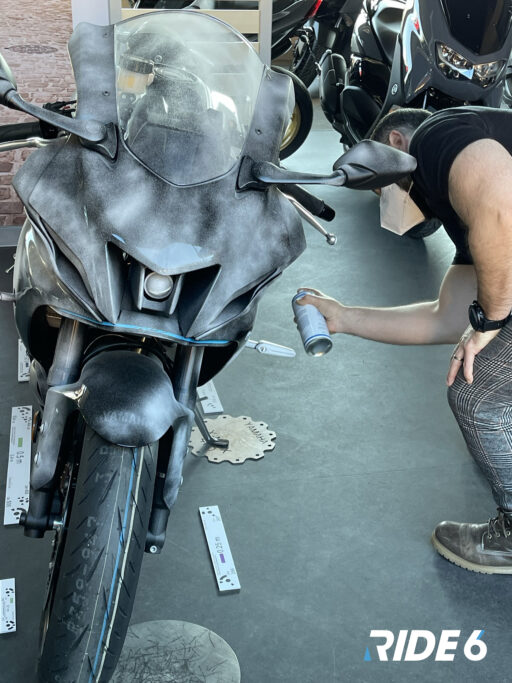
Spraying the bike with opaque paint to allow scanning
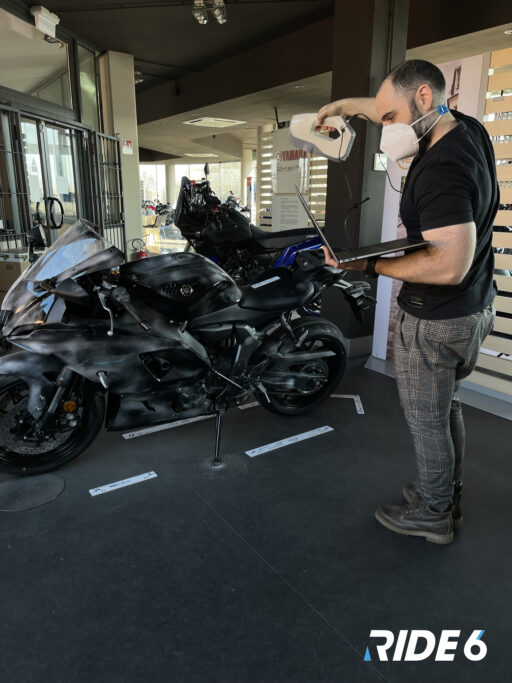
Scanning the bike
Once all manufacturers are on board, we have two ways to gather the information needed to recreate a bike in game, choosing based on circumstances and availability. The first one involves retrieving all bikes’ CADs (Computer-Assisted Design — full 3D digital models used for manufacturing) when available, an easy option for modern bikes. The second one is more artisanal and elaborate, and comes in handy for older bikes without CAD data. It can be tricky, but also kind of fun: we go hunting for dealerships and workshops that have the bikes we need and take plenty of photos and videos, and full bike scans. We have a highly precise scanner that enables us to create an initial, extremely detailed and dense 3D model. Throughout this whole search, we’re always impressed by the incredible passion and generosity of bikers. They’re amazing in helping us retrieve rare or outdated models; they might call on their friends, get their families involved, and that always makes us feel part of a great community.
In return, we make sure to record every single bike detail to recreate them in game as loyal as possible to reality, including headlights color temperature and how each different speedometer works. User manuals are an amazing source of information, so we make sure to always request them to manufacturers. Once we have collected all necessary materials, we handle it over to our Art Department: they’re the ones that polish all bikes and implement them into the game engine.
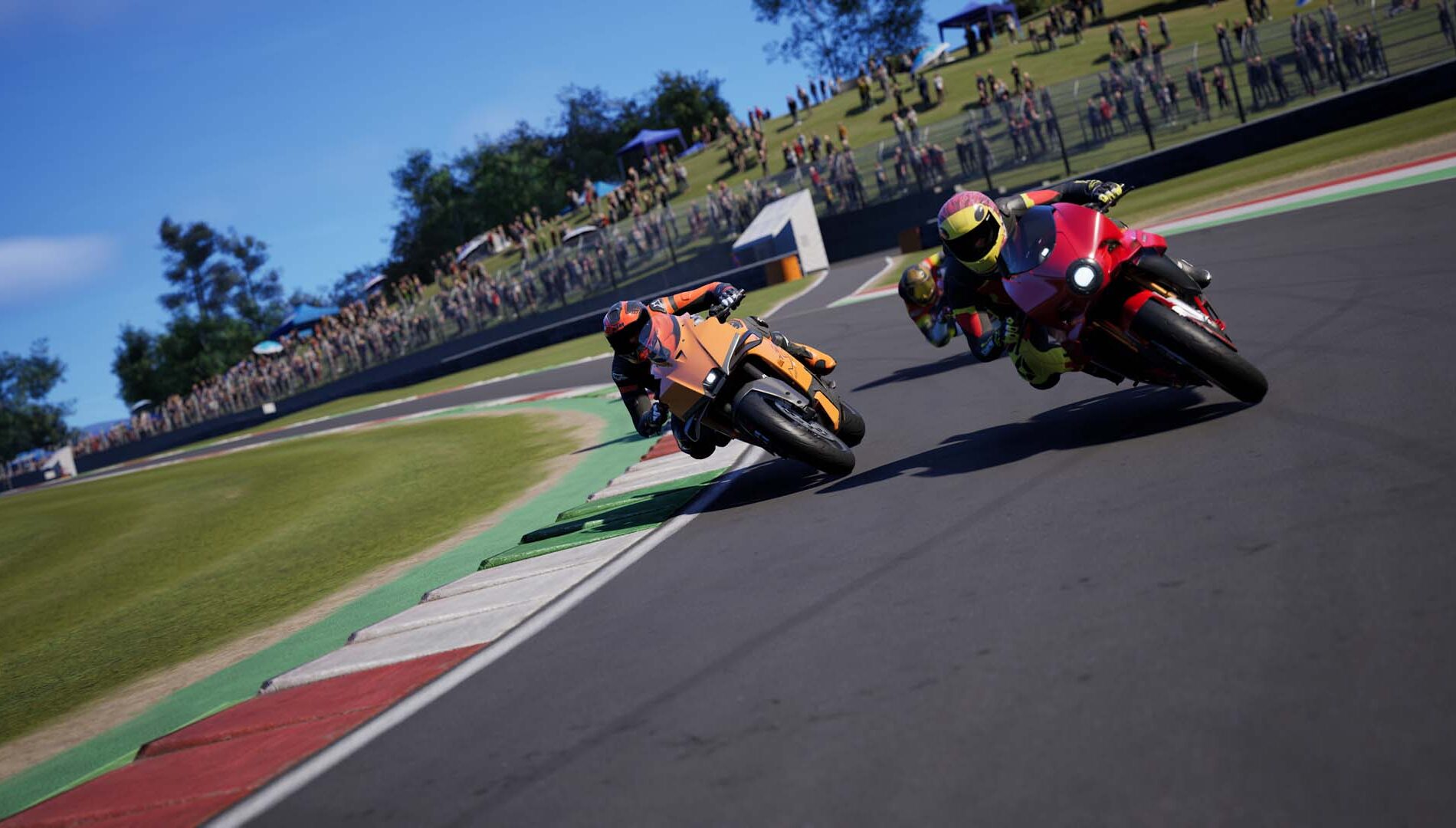
The Art Department start creating a high-poly (high polygonal count) model of each bike. At this stage, each bike is designed at its maximum potential, becoming the most faithful version possible to reality. They split work into two levels – models and textures. Textures ensure that every bike material and element is correctly reproduced and rendered. Once the bikes are ready, they are sent back to the reference department, who’s responsible for carrying out a final check with all manufacturers in game to ensure the final models are approved.
But, of course, high quality must meet performance. To make the game smooth, we need bike versions with less detail that switch seamlessly during gameplay based on their distance to the camera. This is the LOD (Level of Detail) system. It allows us to have incredibly detailed bikes when they’re close to the camera, while maintaining performance under control thanks to the detailed scalability. This is not an easy job, especially for those detailed bikes composed of an elevated number of polygons, such as the new maxi enduros. Once this technical work is in place, Physics and Gameplay Departments will tune each bike to make them realistic, yet still controllable with a gamepad.
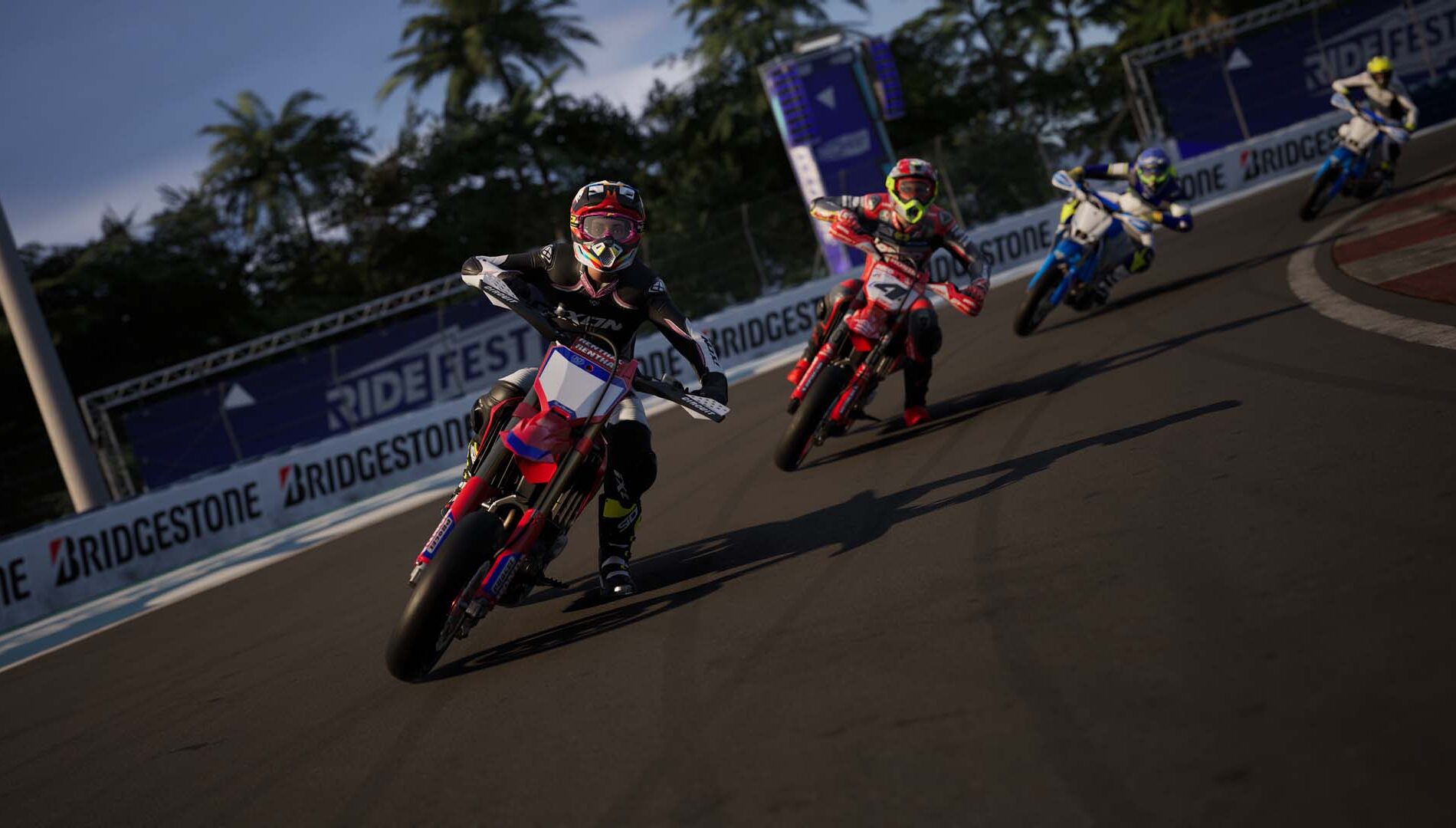
Since the start of Ride 6, the common goal for Gameplay developers has been to do specific interventions to make bikes even more realistic than in previous chapters. That was quite ambitious: the Ride series, unlike Milestone’s other titles, features bikes that can be used in everyday riding, and our fans really know the limits and characteristics of the bikes they follow. That’s why our biggest challenge is to reproduce all bikes faithfully while maintaining a satisfying gameplay experience. We achieve this by tuning and adjusting tons of parameters, such as gravity centers, braking strength, cornering angles, top speeds, suspension behavior, and much more – all done using real-life values and calculations.
One great challenge on this topic was off-road, something completely new in Ride. What we had to do was adjusting and recreating the bike’s physics to reflect the characteristics of off-road riding. This included different surface grips, new tires, a revised balance between throttle and brake, and different rider animations. By fine-tuning all these aspects, we achieved a new, realistic physics that keeps gameplay fun.
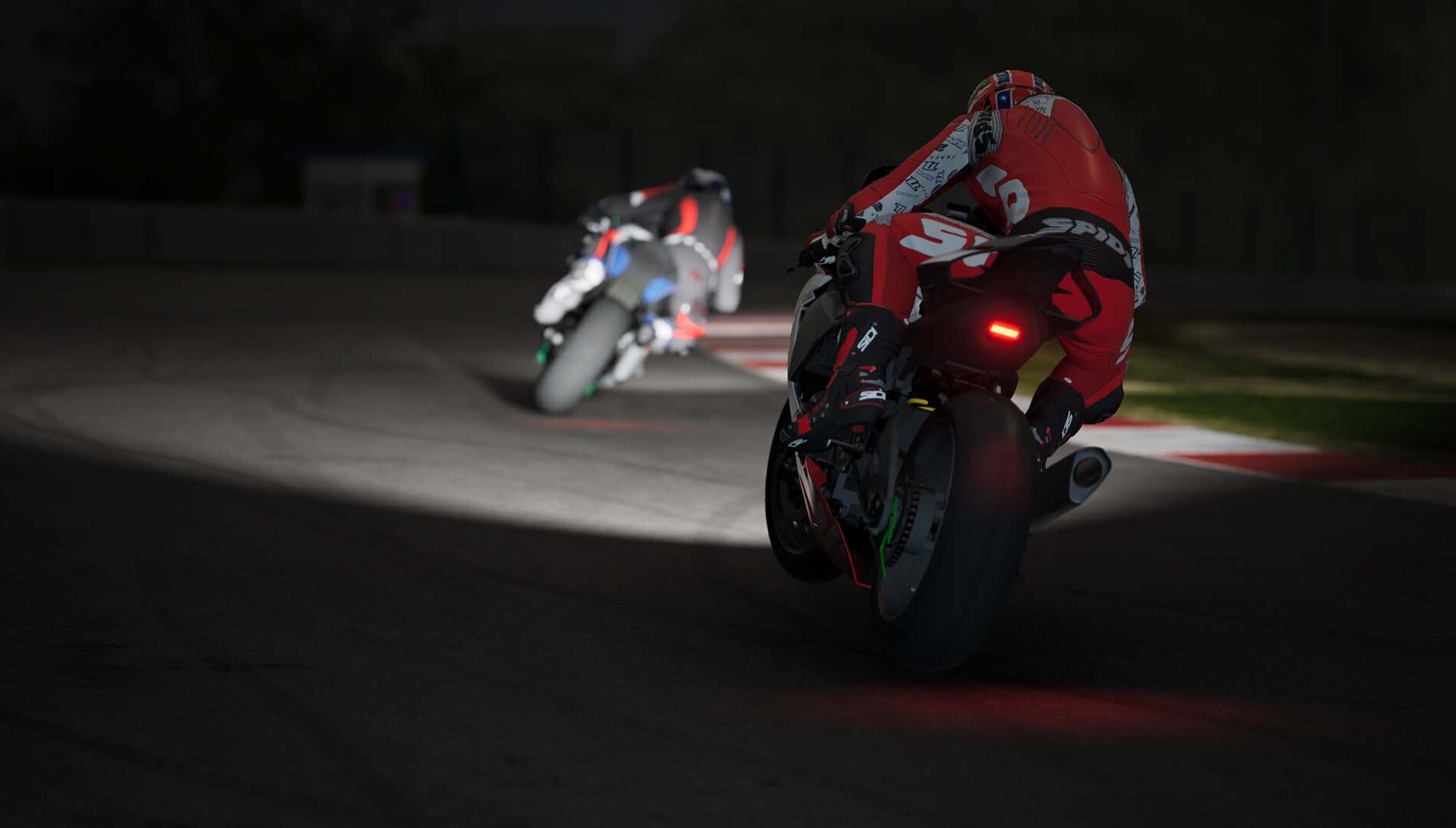
And we didn’t stop there. Ride 6 features for the first time two different physics systems to accommodate every kind of player. The Pro experience offers the most detailed simulation that fans of the franchise will recognize, but revised and improved. That’s the best option if you want to really challenge yourself on track. Alternatively, the Arcade experience offers a simplified gameplay for those less experienced with simulative games, without losing realism while riding. With Arcade, you’ll still need to find the perfect balance and manage different terrain conditions, but the gameplay is more intuitive and lets you truly live your passion.
Hope you enjoyed this glimpse into our creative and development processes. I can’t wait for you to discover all the surprises Ride 6 has in store!
The post From Real to Virtual: How Milestone Created the Biggest Bike Roster Ever in Ride 6 appeared first on Xbox Wire.
Continue reading...
From Real to Virtual: How Milestone Created the Biggest Bike Roster Ever in Ride 6
- Paolo Bertoni, Game Director, Ride 6
Summary
- Ride 6 features the largest selection of bikes ever, including models never seen before. Each bike is highly detailed and designed to make you feel what it’s like to ride for real.
- Learn how Milestone recreates every bike with meticulous attention to details, from licensing and references to 3D modelling and gameplay tuning.
- Ride 6 will be available for Xbox Series X|S on February 12, 2026, with early access on February 9, 2026.
For over ten years, the Ride franchise has been a virtual meeting point for all bike lovers. The latest instalment, Ride 6, is set to be the ultimate celebration of their passion, offering a wide range of new activities and the largest bike selection ever seen. To achieve this, we have implemented a structured process that involves all departments in true teamwork, with the common goal of making bikes as realistic as possible.
Let’s pick some references
Everything begins with a list: our Game Design Department is the brain behind the assembling of the roster, which consists of both returning bikes and brand-new models. Once the list is ready, the Reference and Licensing Department swings into action. They’re the ones that start contacting all manufacturers, to explain the project and finalize the agreements to greenlight their bikes’ presence in game. While this is all brewing, each bike’s characteristics – think of weight, power, cylinders – are analyzed by the Physics Department to understand what kind of tuning is needed.
Recording bike audio
Spraying the bike with opaque paint to allow scanning
Scanning the bike
Once all manufacturers are on board, we have two ways to gather the information needed to recreate a bike in game, choosing based on circumstances and availability. The first one involves retrieving all bikes’ CADs (Computer-Assisted Design — full 3D digital models used for manufacturing) when available, an easy option for modern bikes. The second one is more artisanal and elaborate, and comes in handy for older bikes without CAD data. It can be tricky, but also kind of fun: we go hunting for dealerships and workshops that have the bikes we need and take plenty of photos and videos, and full bike scans. We have a highly precise scanner that enables us to create an initial, extremely detailed and dense 3D model. Throughout this whole search, we’re always impressed by the incredible passion and generosity of bikers. They’re amazing in helping us retrieve rare or outdated models; they might call on their friends, get their families involved, and that always makes us feel part of a great community.
In return, we make sure to record every single bike detail to recreate them in game as loyal as possible to reality, including headlights color temperature and how each different speedometer works. User manuals are an amazing source of information, so we make sure to always request them to manufacturers. Once we have collected all necessary materials, we handle it over to our Art Department: they’re the ones that polish all bikes and implement them into the game engine.
From real to virtual
The Art Department start creating a high-poly (high polygonal count) model of each bike. At this stage, each bike is designed at its maximum potential, becoming the most faithful version possible to reality. They split work into two levels – models and textures. Textures ensure that every bike material and element is correctly reproduced and rendered. Once the bikes are ready, they are sent back to the reference department, who’s responsible for carrying out a final check with all manufacturers in game to ensure the final models are approved.
But, of course, high quality must meet performance. To make the game smooth, we need bike versions with less detail that switch seamlessly during gameplay based on their distance to the camera. This is the LOD (Level of Detail) system. It allows us to have incredibly detailed bikes when they’re close to the camera, while maintaining performance under control thanks to the detailed scalability. This is not an easy job, especially for those detailed bikes composed of an elevated number of polygons, such as the new maxi enduros. Once this technical work is in place, Physics and Gameplay Departments will tune each bike to make them realistic, yet still controllable with a gamepad.
Simulation is key
Since the start of Ride 6, the common goal for Gameplay developers has been to do specific interventions to make bikes even more realistic than in previous chapters. That was quite ambitious: the Ride series, unlike Milestone’s other titles, features bikes that can be used in everyday riding, and our fans really know the limits and characteristics of the bikes they follow. That’s why our biggest challenge is to reproduce all bikes faithfully while maintaining a satisfying gameplay experience. We achieve this by tuning and adjusting tons of parameters, such as gravity centers, braking strength, cornering angles, top speeds, suspension behavior, and much more – all done using real-life values and calculations.
One great challenge on this topic was off-road, something completely new in Ride. What we had to do was adjusting and recreating the bike’s physics to reflect the characteristics of off-road riding. This included different surface grips, new tires, a revised balance between throttle and brake, and different rider animations. By fine-tuning all these aspects, we achieved a new, realistic physics that keeps gameplay fun.
And we didn’t stop there. Ride 6 features for the first time two different physics systems to accommodate every kind of player. The Pro experience offers the most detailed simulation that fans of the franchise will recognize, but revised and improved. That’s the best option if you want to really challenge yourself on track. Alternatively, the Arcade experience offers a simplified gameplay for those less experienced with simulative games, without losing realism while riding. With Arcade, you’ll still need to find the perfect balance and manage different terrain conditions, but the gameplay is more intuitive and lets you truly live your passion.
Hope you enjoyed this glimpse into our creative and development processes. I can’t wait for you to discover all the surprises Ride 6 has in store!
Related Stories for “From Real to Virtual: How Milestone Created the Biggest Bike Roster Ever in Ride 6”
Minecraft Mounts of Mayhem is Available Today
Netflix’s ‘Stranger Things’ Is Coming to Microsoft Flight Simulator 2024
Microsoft Flight Simulator 2024 is Available Now for the PlayStation 5
The post From Real to Virtual: How Milestone Created the Biggest Bike Roster Ever in Ride 6 appeared first on Xbox Wire.
Continue reading...